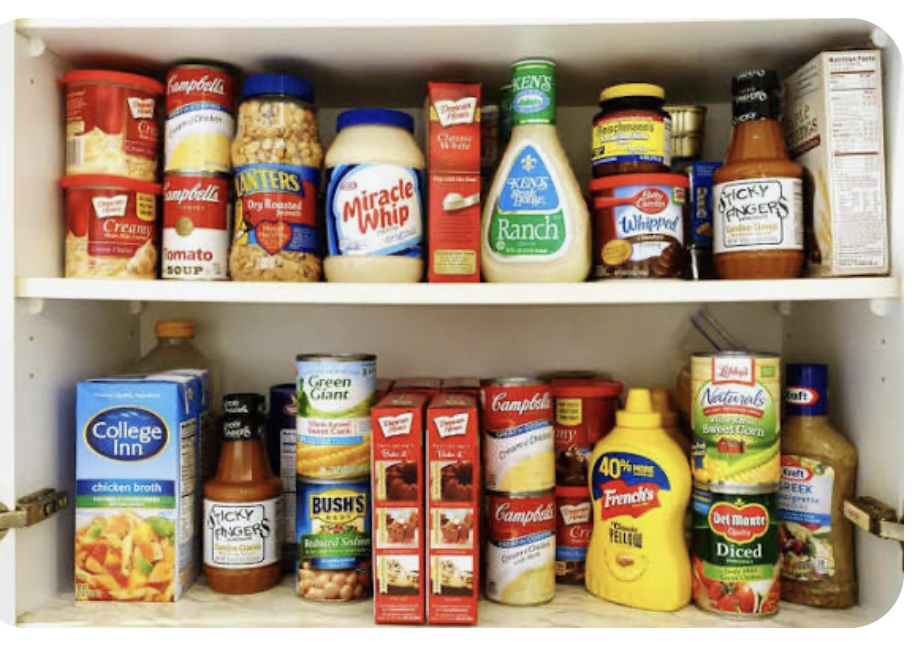
Top survival food prepping involves a combination of long-lasting freeze-dried meals, canned goods, and pantry staples like rice, beans, and powdered milk.
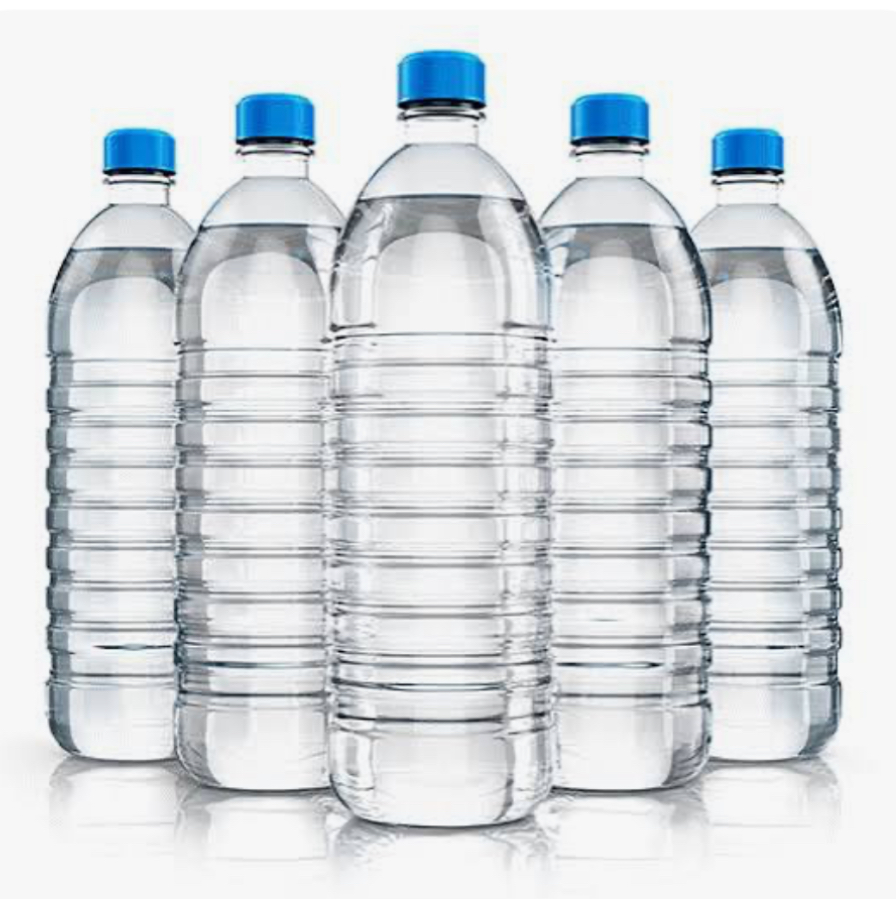
Freeze-dried options offer excellent nutritional value and shelf life, while canned goods and staples provide versatility and cost-effectiveness. It’s crucial to include a mix of ready-to-eat, no-cook, and easy-to-prepare foods, along with items for water storage like powdered drink mixes and water purification supplies.
Freeze-dried meals: Supplemental prepared meals with freeze-dried fruits, vegetables, and meats for a more balanced diet. These are a great option for long-term storage, providing high nutritional value and up to 25+ years of shelf life.
My Patriot Supply is popular for their quality and variety.
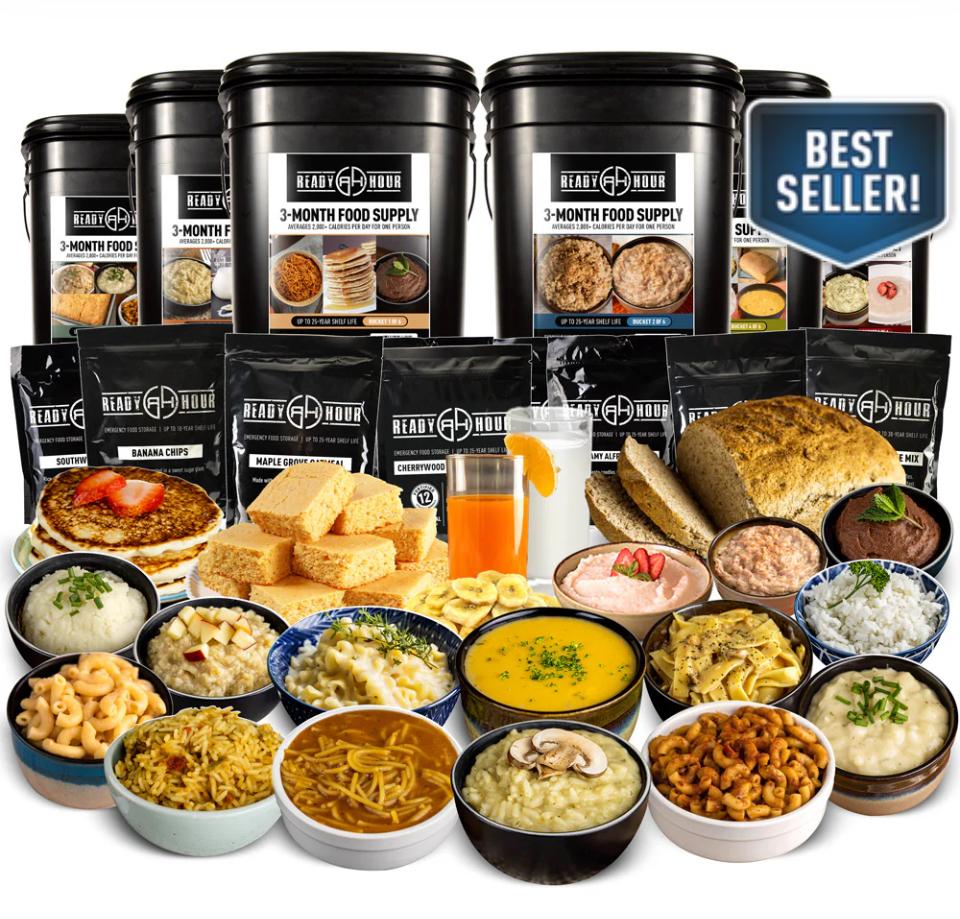
Freeze drying benefits include superior nutrient retention, long-term shelf life, and the preservation of original flavor, color, and texture when reconstituted. This low-temperature dehydration process prevents spoilage, making the food lightweight, shelf-stable, and ideal for long-term storage or on-the-go consumption.
Freeze drying preserves a very high percentage of a food’s original nutrients, including vitamins, minerals, and antioxidants, often retaining over 90%.
The process maintains the original taste, color, and texture of the food, which are largely restored upon rehydration. Unlike other preservation methods, freeze drying does not use high heat, which minimizes damage to heat-sensitive materials.
Freeze-dried foods can last for many years, sometimes over 25, without refrigeration if stored properly in airtight containers.
Removing water significantly reduces the weight and volume of the food, making it ideal for backpacking, emergency supplies, and space travel. The porous structure of the final product allows for quick and complete rehydration by simply adding water.
Other benefits include extending shelf life. Freeze drying allows you to preserve food for longer periods, reducing spoilage and waste. The process can be used for a wide variety of foods, from fruits and vegetables to meats and dairy products.
Freeze drying works by first freezing food, then applying a strong vacuum to remove water through a process called sublimation and finally adding gentle heat to dry it completely. This gentle, low-temperature process removes up to 98% of the water while preserving the food’s original structure, nutrients, and flavor.
If you are considering freeze-drying your food for long term storage, you need to invest in a Freeze-drying machine, a vacuum sealer, mylar bags & oxygen absorbers.
Click the links below for some informational videos on Freeze-drying foods.
What Is Freeze-Drying and How Does It Work?
https://youtu.be/3Imvv5IJUvY?si=GeOYq8AVJXfuW9Fu
How to Use Your Freeze Dryer
https://youtu.be/FtEyw8vxXSo?si=d1XE80ModztcUI3T
Canning is a method of preserving food by heating it in sealed jars or cans to destroy microorganisms, which makes the food shelf stable. The process involves specific methods like water bath canning for high-acid foods (fruits, jams) and pressure canning for low-acid foods (vegetables, meats) to ensure safety. Proper canning requires sterilizing equipment, following correct processing times and temperatures, and creating a vacuum seal as the jars cool to prevent recontamination.
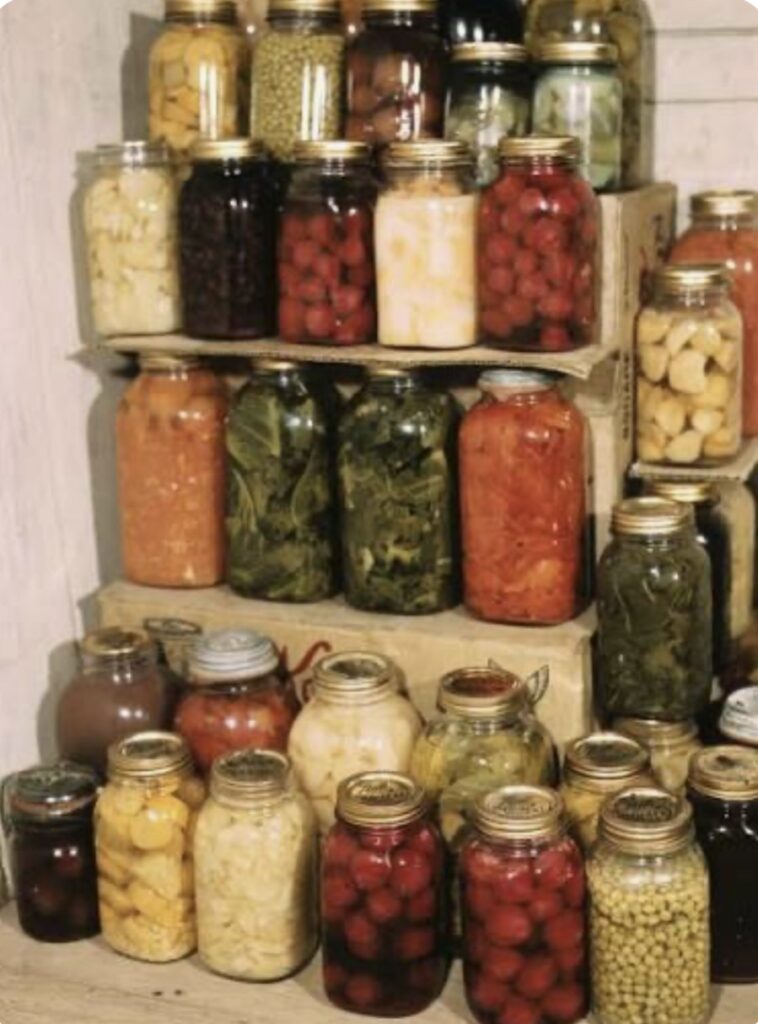
Heat processing: Heating food in jars at high temperatures destroys microorganisms, including yeasts, molds, and bacteria, which prevents spoilage.
Enzyme inactivation: The heat also inactivates enzymes that can cause food to spoil and lose quality.
Vacuum seal: As the jars cool, the air inside is driven out, and the lid is pulled down to create an airtight vacuum seal. This seal prevents new microorganisms from entering the jar.
Water bath canning: Suitable for high-acid foods like fruits, jams, and pickles. Jars are submerged in boiling water for a specific amount of time.
Pressure canning: Required for low-acid foods, such as vegetables and meats, because it can reach higher temperatures necessary to destroy harmful microorganisms like Clostridium botulinum.
Atmospheric steam canning: Another method approved for high-acid foods, using steam instead of boiling water to heat the jars.
Canning 101/ How to can for beginners
https://youtu.be/xFEW3yZ42HE?si=rQ-YscnTF1RDdRZh
Stockpile food with these 10 preservation methods
https://youtu.be/MD3Ex3ZxLwY?si=MEEbS2fVFNdAhxi7
Let’s turn your vision into a fully realized, secure, and functional underground shelter.
Bunker Building Consulting LLC (BBC) provides consulting and management services for the development and construction of underground survival shelters.
© 2026 Bunker Building Consulting, LLC All Rights Reserved. Website by Kate Creative Media