A good location for a bunker depends on your intended use and the specific threats you are trying to mitigate. Some location factors to consider are
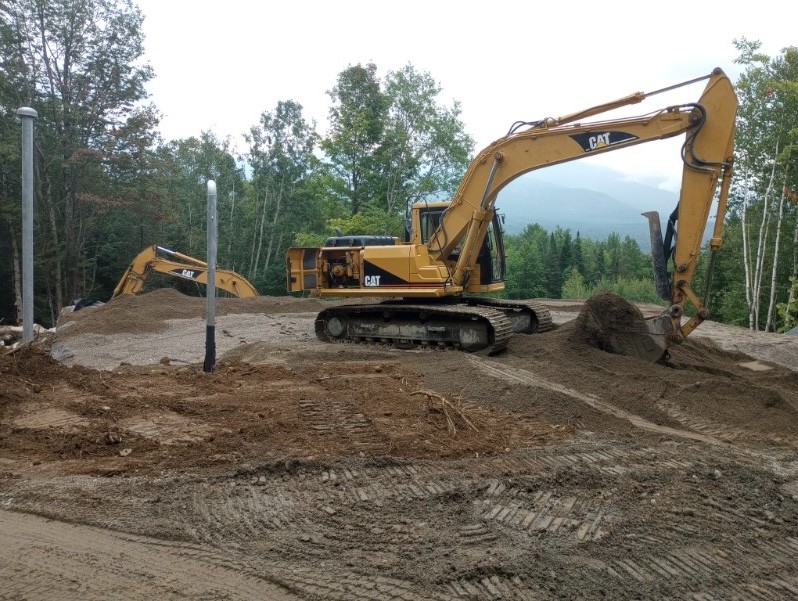
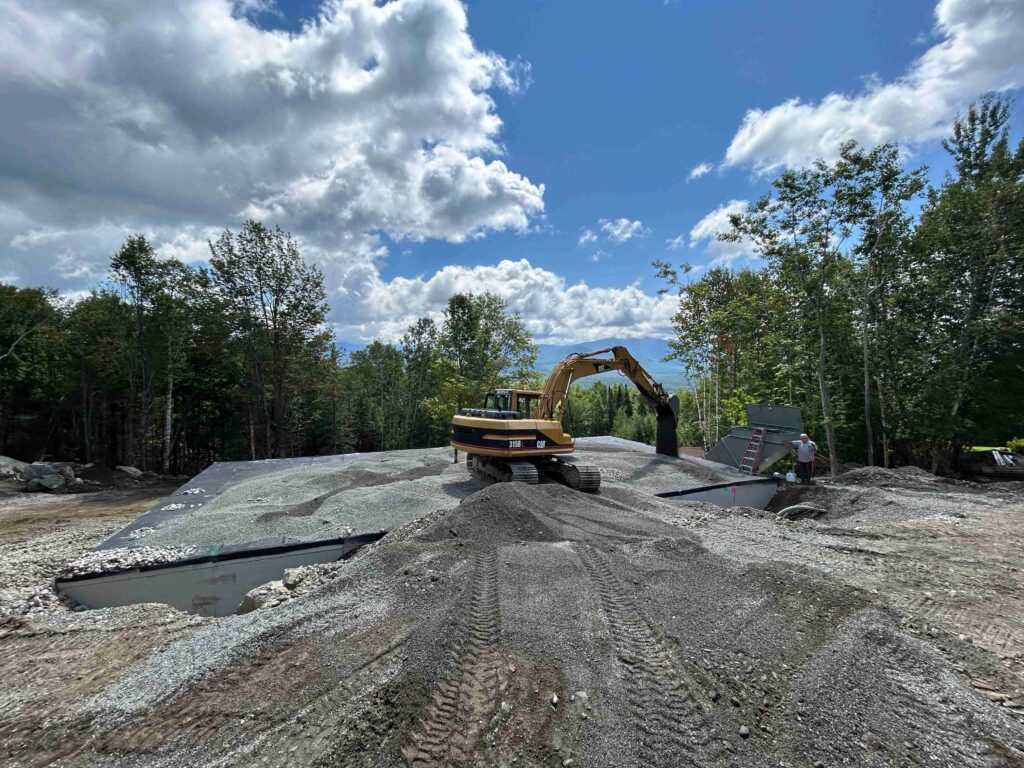
Choose a site with stable terrain and good soil composition, like dry gravel. This type of soil is less prone to settling and provides better drainage. You should avoid areas with significant clay, as it holds water and can put immense pressure on an underground structure. Surrounding clay can be removed and replaced with stone & sand for better drainage.
Test the groundwater level before you dig. A high-water table—less than 8 feet below the surface—is unsuitable for a bunker and risks flooding the structure.
For protection against a nuclear event, you must be far away and upwind from potential military, industrial, and population centers that would be targeted. For example, the midwestern US states with missile silos would be at a higher risk. A location in a rural area far from major cities and military installations is ideal.
Using natural barriers like mountains or hills can offer additional protection from radiation. For example, Colorado’s Cheyenne Mountain Complex is shielded by 2,500 feet of granite.
Consider how you will access your bunker in an emergency. It should be close enough for you and your family to reach quickly but remote enough to maintain secrecy. You could connect it to your home’s basement for the fastest access. Purchasing move-in ready bunkers, far from your home, may not be accessible to travel to during an emergency event.
Building a bunker requires proper permits from your local building department. You will need to submit design plans and map of your property. Local land laws and zoning requirements can affect where and how you can build.
If secrecy is important, you should choose a private location away from prying eyes. In the backyard, the entrance could be hidden inside a garage or another outbuilding.
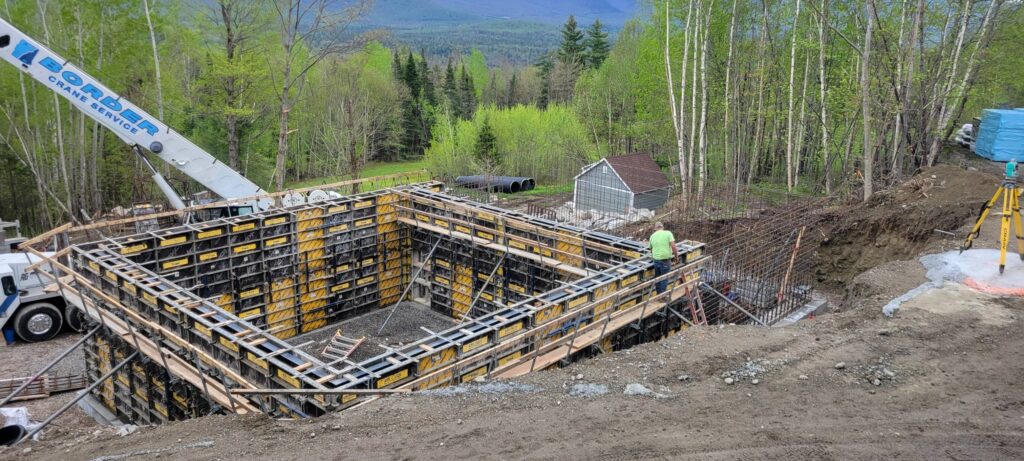
Rural areas: Remote areas away from major cities, military bases, and nuclear power plants are safest for widespread catastrophic events.
Midwest and Eastern states (in a limited nuclear event): Some analyses of nuclear attack simulations suggest states like Maine and Michigan could experience less fallout, depending on wind patterns and the attack’s scope.
Underground basement: Using a home’s existing basement as a reinforced safe room is the most accessible option for many homeowners, especially for tornados or other short-term threats however, this may not provide adequate safe quarters for more serious events.
Some homeowners are now installing reinforced bunkers below their new home construction, which allows seamless integration within the home.
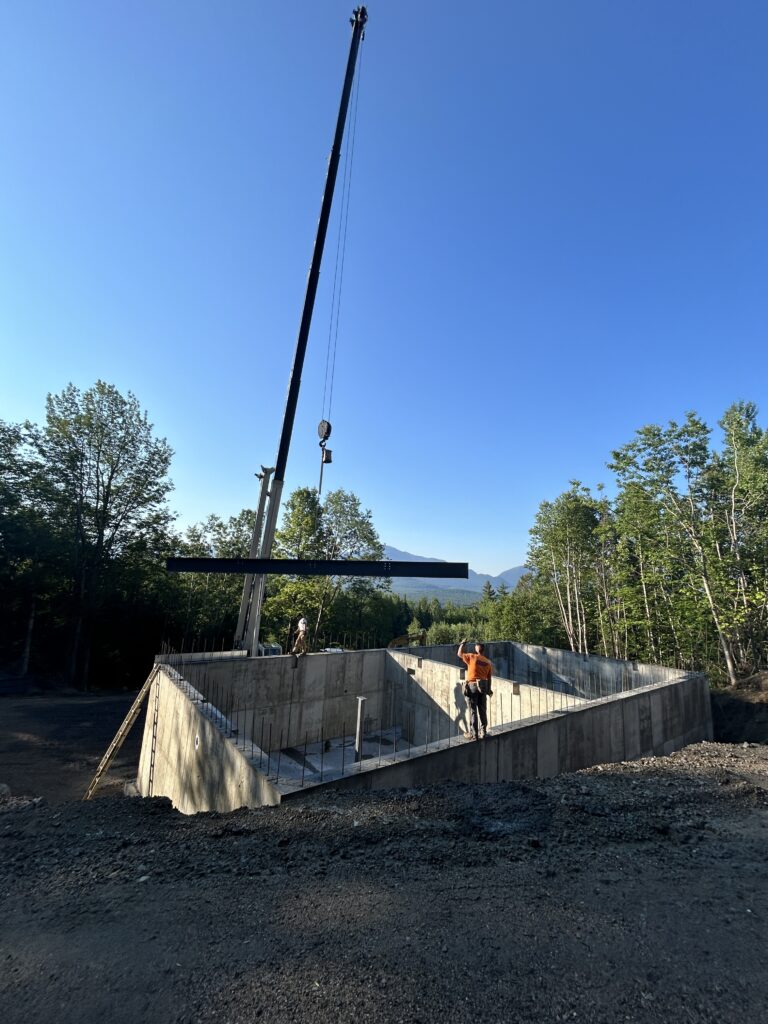
Let’s turn your vision into a fully realized, secure, and functional underground shelter.
Bunker Building Consulting LLC (BBC) provides consulting and management services for the development and construction of underground survival shelters.
© 2026 Bunker Building Consulting, LLC All Rights Reserved. Website by Kate Creative Media